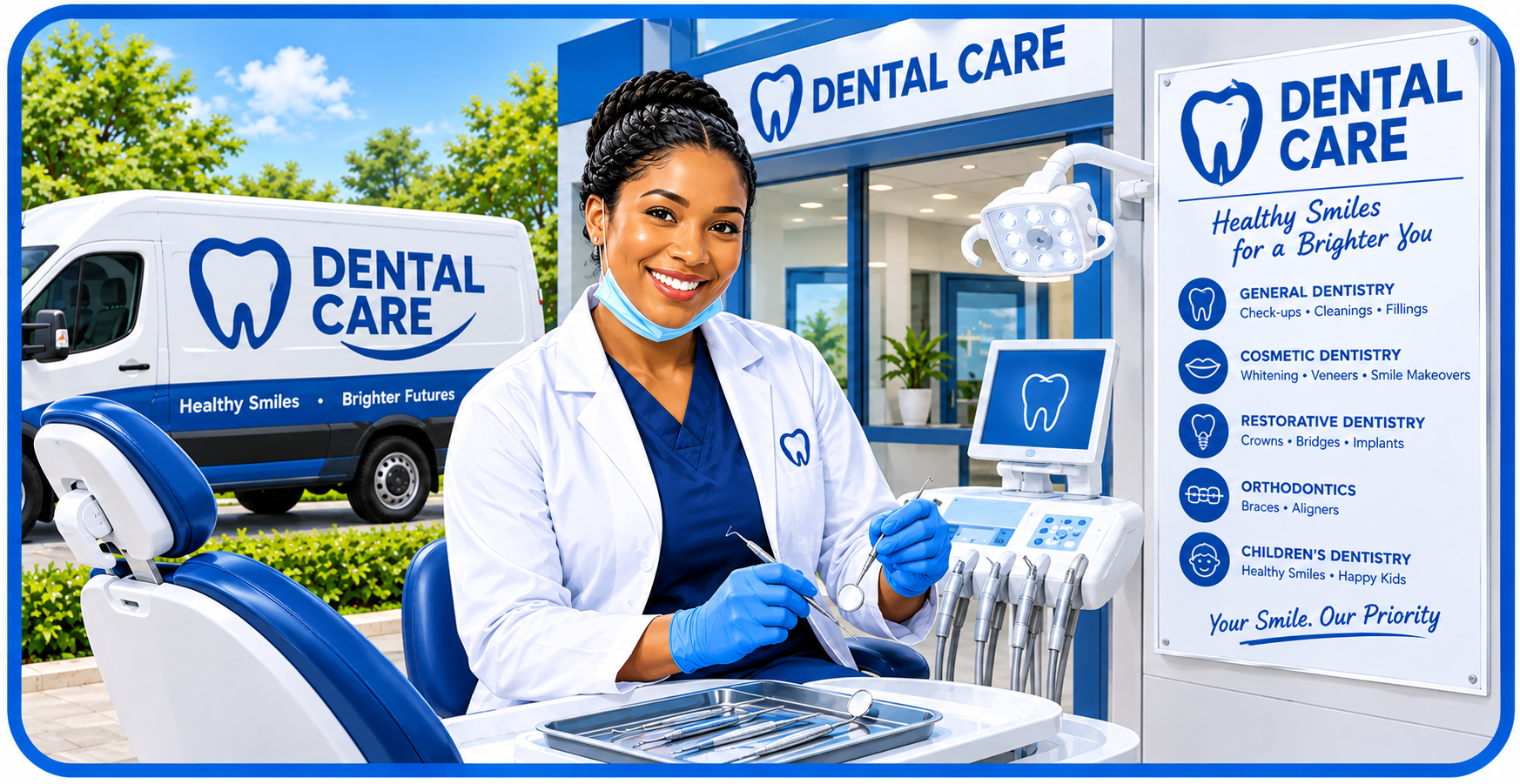
Dealing with coffee and red wine stains that toothpaste alone won't touch? Dentist Open Now connects you with a specialist in Princeton, IN who treats this specific issue every week, not occasionally.
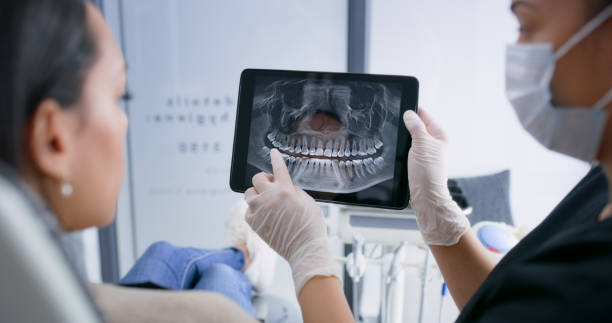
One call gets you matched with a specialist and a confirmed time — not a callback promise.
+1-866-227-2801 Call Now
Not all discoloration responds the same way to whitening, which is why a proper consult starts by identifying whether the staining is surface-level or set deeper in the tooth. Surface staining from food and drink typically responds fastest to professional-strength whitening treatments. Intrinsic staining, like the kind caused by certain medications or old trauma to a tooth, may need veneers or bonding instead of whitening alone.
In-office whitening uses a higher-concentration gel activated under controlled conditions, delivering visible results in a single sitting. A custom tray kit is commonly provided afterward so you can maintain results without repeat office visits.
Results fade faster for patients who go right back to the same staining habits, which is why most providers give you a short list of things to avoid for the first 48 hours. A touch-up tray a few times a year is usually enough to maintain the brighter shade long-term.
Higher peroxide concentrations than store-bought kits, applied under supervision for safety.
Enamel sensitivity is monitored throughout the session, with treatment paused if needed.
Most patients see noticeable brightening after one in-office session, often several shades lighter.
Fitted trays let you touch up results at home between office visits.
Our network specialists cover the full range of this procedure, from the routine case to the complicated one.
A single session using clinical-strength gel activated under controlled light or heat.
Fitted trays and prescription-strength gel let you maintain or boost results at home.
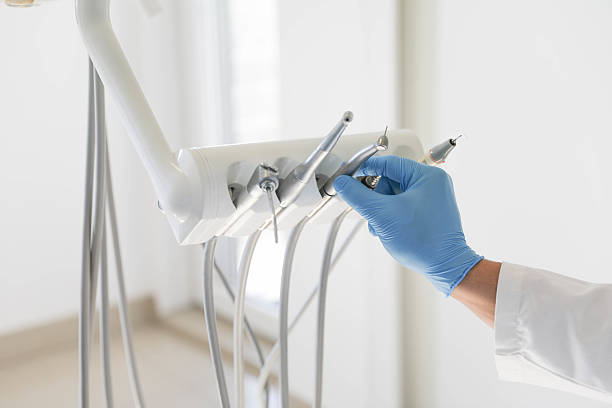
Surface stains from coffee, wine, or tobacco are treated differently than deeper intrinsic discoloration.
Desensitizing gel and adjusted treatment timing help patients prone to tooth sensitivity.
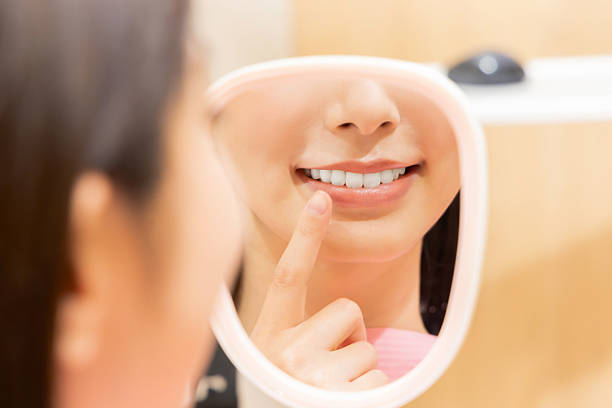
A cleaning removes surface plaque first so whitening gel works evenly across the tooth surface.
For stains whitening can't fully lift, bonding covers the remaining discoloration selectively.
You describe what's going on; no automated menu, no long hold.
We match you with a nearby specialist experienced in this exact procedure and check real-time openings.
You get a clear explanation of the treatment plan and its cost before any work begins.
Treatment proceeds on the agreed plan, with clear aftercare instructions and a follow-up if the case calls for one.
"They walked me through the cost and the procedure before I agreed to anything. Appreciated that."
"Got in faster than I expected for something this specific. Staff were sharp and direct."
"Price they quoted on the phone matched the invoice exactly. No surprise charges."
Results vary by starting shade and stain type, but several shades of improvement is common after one session.
Desensitizing steps are built into the protocol for patients who are prone to sensitivity.
Touch-up trays can extend results well past a year for patients who maintain them consistently.
In-office whitening includes safeguards for your gums that generic drugstore kits don't offer.
Most adults are candidates, though your provider will flag cases better suited to veneers or bonding instead.
Cost depends on whether you choose in-office treatment, take-home trays, or both, quoted before you book.
We keep an updated roster of specialists across Princeton and the surrounding zip codes, so a nearby provider is already in our network.
Every provider carries an active IN dental license, verified before referral.
Call now and a real coordinator will match you with a specialist and a confirmed time.
Call +1-866-227-2801 Now